Home / Conditions / Anxiety & Panic Attacks
Anxiety and Panic Attack Treatment in Surat
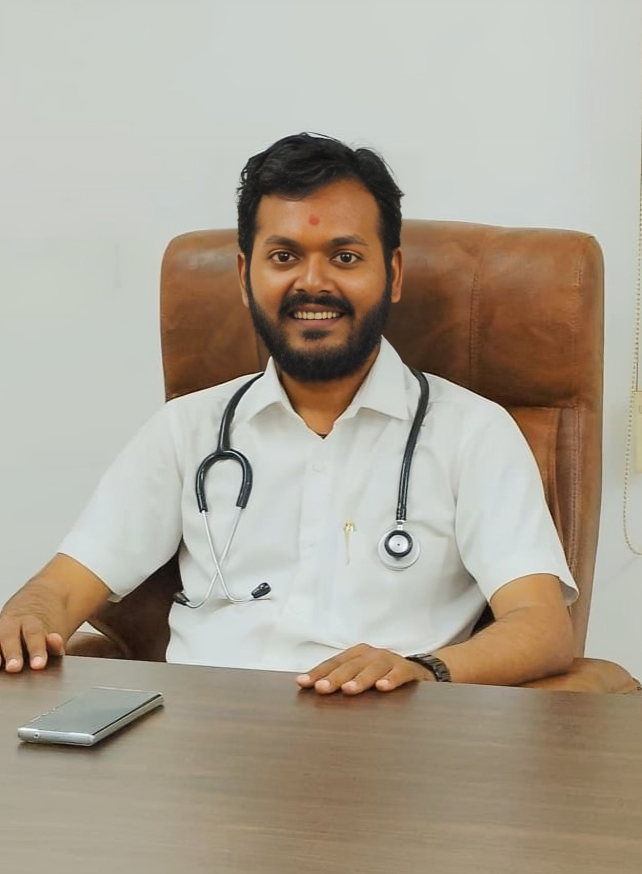
Treatment for panic attacks, generalised anxiety, social anxiety and chronic stress – with Dr. Kalpesh Suryavanshi, MD (Psychiatry), at Ekkyam Clinic, Majura Gate or Karma Clinic, Adajan.
A racing heart, tightness in the chest, breathlessness, tingling hands and a sudden certainty that something terrible is about to happen – a panic attack feels exactly like a heart attack. Many patients reach Ekkyam Clinic only after an ECG, a 2D echo and a cardiology opinion have all come back normal.
Anxiety disorders are the most common mental-health conditions in India, and they are also among the most treatable. With correct diagnosis, most people see a substantial reduction in symptoms within a few weeks.
This page explains what anxiety actually is, how panic attacks occur, and how anxiety treatment in Surat is carried out at Ekkyam Clinic.
Types of Anxiety Disorders
"Anxiety" is an umbrella term. Each pattern below is a different condition with its own symptoms, and the pattern decides the treatment:
Panic disorder
- Sudden attacks peaking in 10 minutes
- Palpitations, breathlessness, sweating, trembling
- Fear of dying or losing control
- Constant dread of the next attack
Generalised anxiety (GAD)
- Excessive worry on most days for 6 months or more
- Restlessness, muscle tension, poor sleep
- Overthinking every possible outcome
- Irritability and difficulty concentrating
Social anxiety
- Intense fear of being judged or embarrassed
- Avoiding presentations, interviews, functions
- Blushing, trembling, blank mind while speaking
- Common in students and young professionals
Phobias & health anxiety
- Specific fears – heights, travel, injections, lifts
- Repeated body checking and medical tests
- Googling symptoms for hours
- Relief after a normal report lasts only days
What Exactly Happens During a Panic Attack?
A panic attack is a false alarm from the body's fight-or-flight system. Adrenaline is released as though you are facing immediate physical danger: the heart beats faster to move blood to the muscles, breathing quickens, blood shifts away from the hands and feet causing tingling, and the chest muscles tighten.
None of this is dangerous, but all of it is frightening.
The fear itself releases more adrenaline, which is what makes an attack escalate. Attacks typically peak within 10 minutes and settle within 30 minutes.
Important: never assume chest pain is anxiety.
If this is your first episode, or if the pain is crushing, spreads to the jaw or left arm, or comes on with exertion, get an urgent medical check first. Once cardiac causes are excluded, panic disorder can be diagnosed with confidence.
Common Symptoms Patients Describe
- Palpitations, chest tightness or a "heavy" chest
- Breathlessness or a feeling of not getting enough air
- Dizziness, light-headedness or a feeling of unreality
- Trembling hands, sweating, dry mouth
- Acidity, nausea, loose motions or an "upset stomach" before stressful events
- Constant tension in the neck, shoulders and jaw
- Difficulty falling asleep because the mind will not switch off
- Avoiding driving, travel, lifts, crowds or being alone
- Repeated medical tests that keep coming back normal
What Causes Anxiety Disorders
In the body
- Genetic vulnerability – anxiety runs in families more often than most people realise.
- Medical triggers – hyperthyroidism, anaemia, low vitamin B12 and low vitamin D.
- Medicines – some asthma, cold and steroid preparations.
In daily life
- Sustained stress – work targets, business uncertainty, exams, financial strain, marital conflict or caregiving over months.
- Stimulants – excess caffeine, nicotine, energy drinks and certain supplements.
- Sleep deprivation – which both triggers anxiety and is worsened by it.
In the mind
- Learned avoidance – every time you avoid a feared situation, short-term relief strengthens the fear for next time.
- This is the cycle that therapy is designed to break.
How Anxiety Is Treated at Ekkyam Clinic
Cognitive Behavioural Therapy (CBT)
CBT is the treatment with the strongest evidence for anxiety and panic. You learn to identify the catastrophic thought ("this is a heart attack"), test it against the facts, and stop the escalation. For panic disorder, interoceptive exposure – deliberately and safely producing the physical sensations – teaches the brain that they are harmless.
Graded exposure
For phobias, social anxiety and agoraphobia, avoidance is reversed in small, planned steps at a pace you agree to. This is the single most effective way to get your normal life back.
Medication
SSRIs and SNRIs are the standard long-term treatment and reduce both the frequency and intensity of attacks. They take two to four weeks to take effect and are not habit-forming. Where sedatives are used at all, they are prescribed briefly and with a clear stopping plan, because dependence on them is a real and avoidable problem.
Breathing and body-based techniques
Slow diaphragmatic breathing, paced exhalation and progressive muscular relaxation are taught in the clinic and practised daily. Correct breathing during an attack shortens it substantially.
Lifestyle correction
Caffeine reduction, fixed sleep timings, regular aerobic exercise and limits on late-night screen use are part of the plan – small changes here produce measurable reductions in baseline anxiety.
Your First Visit
- History. A full account of the attacks or worry – when they began, what triggers them, and what you now avoid.
- Physical screening. Thyroid, anaemia, B12 and other physical causes, plus a review of any cardiac reports you already have.
- Severity measured. Standard scales such as GAD-7, so improvement can be tracked objectively.
- The panic cycle explained. Once you can see how it works, the symptoms stop feeling mysterious.
- A plan you agree to. Therapy, medication, or both – with realistic timelines.
- Review. After 2 weeks, then monthly. Follow-up at Majura Gate, Adajan or by video consultation.
Frequently Asked Questions
Can a panic attack actually harm me?
No. A panic attack is an adrenaline surge, not a cardiac or neurological event. It is intensely unpleasant but it does not damage the heart, cause fainting in most people, or lead to loss of control. Understanding this properly is itself part of the treatment – but a first-time chest pain should always be medically evaluated.
How long does anxiety treatment take?
Most patients notice meaningful improvement within 4 to 6 weeks. A full course of CBT is typically 8 to 16 sessions. Where medication is used, it is usually continued for 9 to 12 months after you are well. It is then tapered gradually to reduce the chance of relapse, as advised by your psychiatrist.
Will I become dependent on anxiety medicines?
SSRIs and SNRIs, the mainstay of treatment, are not habit-forming. Benzodiazepines (alprazolam, clonazepam and similar) can cause dependence if used long term, which is why they are prescribed here only for short periods, in low doses, with a defined stopping plan – and often not at all.
Can anxiety be treated without medication?
Yes. Mild to moderate anxiety often responds very well to CBT, exposure work and lifestyle change alone. Medication is recommended when symptoms are severe, when panic attacks are frequent, or when anxiety is preventing you from engaging in therapy in the first place.
All my medical tests are normal, so is this 'just in my mind'?
No. Anxiety produces genuine physical symptoms through real physiological mechanisms – adrenaline, over-breathing and muscle tension. Normal reports do not mean nothing is wrong. They mean the cause lies in the body's alarm system rather than in the heart or lungs, and that system responds well to treatment.
Do you treat exam stress and work-related stress?
Yes. Students preparing for boards and competitive exams, and professionals dealing with targets, job insecurity or business pressure, form a significant part of the practice. Treatment combines practical stress management with clinical care where the stress has crossed into a disorder.
Is anxiety treatment available online?
Yes. Anxiety and panic disorder are particularly well suited to video consultation, including CBT sessions. See the page on online psychiatrist consultation for how it works.
Get Help for Anxiety and Panic Attacks in Surat
You do not have to keep organising your life around the next attack.
Panic disorder and anxiety respond faster to treatment than almost any other psychiatric condition.
Ekkyam Clinic – Majura GateC-9, Swaminarayan Complex, Majura Gate, Surat 395002Karma Sex & Psychiatric Clinic – Adajan401, Suhas Building, above Mahalaxmi Juice Center, Adajan, Surat
Dr. Kalpesh Suryavanshi consults at both clinics, in person or by video. Book an appointment on WhatsApp, or call 84602 48445.
Book Appointment 84602 48445