Home / Conditions / De-addiction Treatment
De-addiction Treatment in Surat
Medically supervised de-addiction for alcohol, tobacco, cannabis and prescription drug dependence – confidential, outpatient, and without moral lectures. Ekkyam Clinic, Majura Gate or Karma Clinic, Adajan.
Addiction is not a lack of willpower or a failure of character. Repeated substance use changes the brain's reward and control circuits, which is why a person can genuinely want to stop and still be unable to. That is a medical problem, and it has medical treatment.
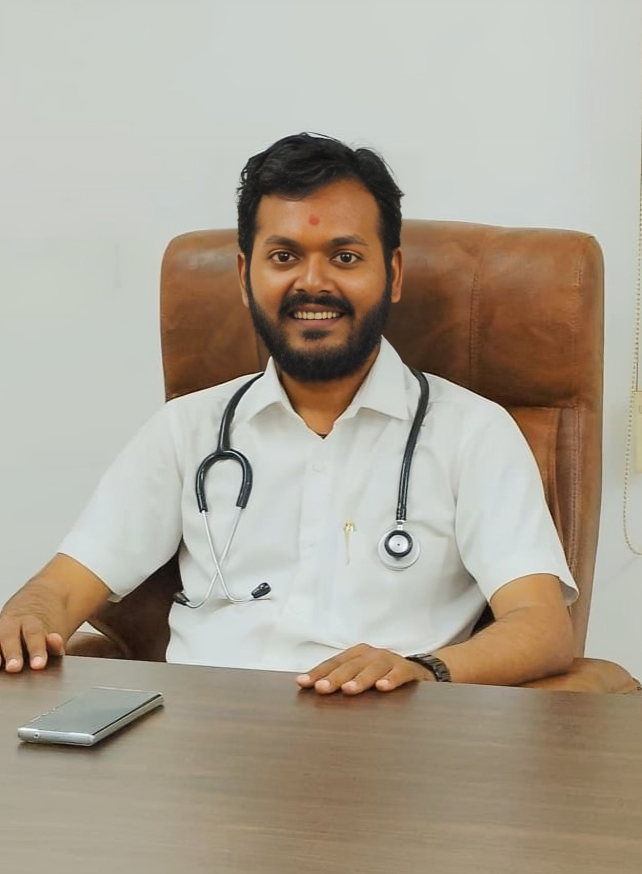
Dr. Kalpesh Suryavanshi provides de-addiction treatment in Surat for alcohol, tobacco, cannabis (ganja), opioids and prescription-drug dependence – including supervised withdrawal management, anti-craving medication and structured relapse prevention.
Families often reach this clinic exhausted after years of promises and broken attempts. Treatment here is practical and non-judgemental: the aim is to make stopping medically safe and then to make staying stopped realistic.
What We Treat
Alcohol dependence
- Daily or binge drinking
- Morning drinking or shakes
- Drinking despite liver, work or family problems
- Failed attempts to cut down
Tobacco & nicotine
- Cigarettes, bidi, gutkha, mawa, khaini
- Vaping and e-cigarettes
- Oral-cancer risk counselling
- Nicotine replacement and medication
Cannabis & other drugs
- Ganja / charas dependence
- Cannabis-induced psychosis
- Opioids – smack, heroin (brown sugar), tramadol and codeine syrups
- Sedative and sleeping-pill dependence
Behavioural addictions
- Gambling and online betting apps
- Gaming addiction in teenagers
- Compulsive pornography use
- Excessive smartphone and social media use
Signs That Use Has Become Dependence
- Needing more of the substance to get the same effect (tolerance)
- Withdrawal symptoms – tremors, sweating, nausea, irritability, insomnia – when stopping
- Repeated unsuccessful attempts to cut down or quit
- Spending a large part of the day obtaining, using or recovering from use
- Continuing despite clear damage to liver, work, finances or family
- Losing interest in activities that once mattered
- Hiding consumption, lying about amounts, or borrowing money to fund it
Alcohol withdrawal can be dangerous. Suddenly stopping heavy, long-term drinking can cause seizures or delirium tremens, which are medical emergencies. Do not attempt abrupt withdrawal at home – supervised detoxification is safe, and usually can be done as an outpatient.
The Treatment Programme
Stage 1 – Assessment
A detailed history of the substance, quantity and duration, previous quit attempts, withdrawal history, and any coexisting depression, anxiety or bipolar disorder. Liver function tests, complete blood count and other investigations are arranged where required. Around half of people with addiction have another psychiatric condition underneath, and missing it is the commonest reason treatment fails.
Stage 2 – Detoxification (withdrawal management)
Medication is used to make withdrawal safe and comfortable – typically over seven to fourteen days, along with thiamine and other supplements for alcohol dependence. Most patients complete this at home with daily or alternate-day review. Inpatient detox is arranged when withdrawal risk is high or the home environment is not workable.
Stage 3 – Anti-craving medication
This is the stage most people skip, and it is why they relapse. Medicines such as naltrexone, acamprosate, baclofen or disulfiram (for alcohol), and varenicline or bupropion with nicotine replacement (for tobacco), significantly reduce craving. They are generally continued for six to twelve months.
Stage 4 – Relapse prevention and counselling
Most families have watched this cycle turn several times. It is known as the revolving door, and breaking it is the whole purpose of this stage:
- A trigger or a craving – stress, a wedding or party, boredom, or simply payday.
- “Only one, and only today.”
- Relief for a short while, then control slips again.
- Consequences build up – money, health, work, family.
- Guilt, an apology, and a promise to stop.
- A few days or weeks of staying away, with no treatment behind it.
Without treatment the door turns again, and the next round usually starts sooner.
Treatment breaks the loop at the points where willpower alone cannot: motivational enhancement therapy, identifying your own high-risk situations, refusal skills for social settings and weddings, handling boredom and stress without the substance, and a written plan for what to do if a lapse happens. Referral to Alcoholics Anonymous and similar peer groups in Surat is offered where it fits.
Stage 5 – Family work
Families are taught the difference between supporting recovery and unintentionally enabling use, how to handle money and confrontation, and how to respond to a lapse without the whole effort collapsing. Family involvement measurably improves long-term outcomes.
For Families: How to Help Someone Who Will Not Come
This is the most common question families ask. A few things genuinely help:
- Come for a consultation yourself first. Family members can and do consult alone. You will get practical guidance on how to approach the conversation.
- Avoid confrontation while the person is intoxicated. Nothing said then is retained.
- Focus on specific consequences, not character. "You missed Ruchi's function and the shop was shut for three days" works better than "you have ruined this family".
- Stop clearing the debris. Paying off debts, making excuses at work and covering up consequences removes the very pressure that motivates change.
- Use medical framing. Offering a liver check-up or a consultation for sleep and mood is often accepted when the word "addiction" is not.
Relapse Is Part of the Illness, Not the End of Treatment
Addiction behaves like other chronic relapsing conditions such as diabetes or hypertension. A lapse does not erase the months of progress before it, and it does not mean treatment has failed – it means the plan needs adjusting.
What matters is how quickly the person returns to treatment afterwards. Patients here are told this in advance precisely so that a single slip does not turn into months of renewed drinking out of shame.
Frequently Asked Questions
Is the treatment confidential? Will anyone find out?
Yes, it is completely confidential. Records are private, consultations are one-to-one, and nothing is disclosed to employers, relatives or anyone else without your written consent. Many patients continue their jobs and businesses throughout treatment without anyone knowing.
Do I have to be admitted to a nasha mukti kendra?
In most cases, no. The majority of alcohol and tobacco de-addiction is managed on an outpatient basis while the person continues to live and work at home. Admission is recommended only for severe withdrawal risk, repeated failed outpatient attempts, or an unworkable home environment – and it is always discussed with you first.
How long does de-addiction treatment take?
Detoxification takes one to two weeks. Anti-craving medication and relapse-prevention work continue for six to twelve months, with follow-up visits becoming less frequent over time. Stopping treatment immediately after detox is the single biggest cause of relapse.
Are anti-craving medicines safe?
Yes. Naltrexone, acamprosate and baclofen have been used for decades with well-understood safety profiles, and liver function is monitored where relevant. They reduce craving – they do not sedate you or make you unable to work.
My son smokes ganja. Is cannabis actually addictive?
Yes. Regular cannabis use causes dependence, withdrawal (irritability, sleeplessness, loss of appetite), loss of motivation, memory and concentration problems, and in vulnerable people it can trigger psychosis. It is treatable, and outcomes are much better when treatment starts early rather than after years of use.
Can treatment work if the person does not want to stop?
Motivation is rarely all-or-nothing – most people are ambivalent rather than unwilling. Motivational interviewing is designed exactly for this, and many patients who arrive reluctantly, brought by family, do engage once they are not lectured at. Family-only sessions are available if the person genuinely will not attend.
What about tobacco, gutkha and mawa?
Nicotine dependence is treated with the same seriousness as alcohol. Treatment combines nicotine replacement or medication (varenicline, bupropion) with behavioural counselling, and doubles or triples quit rates compared with willpower alone. Given oral-cancer rates in Gujarat, quitting mawa and gutkha is among the most valuable things a patient can do.
Start De-addiction Treatment in Surat – Confidentially
Whether you are seeking help for yourself or for a family member, the first consultation gives you a clear, medical picture of what can be done.
Family members may consult alone – you do not have to bring the patient to take the first step.
Ekkyam Clinic – Majura GateC-9, Swaminarayan Complex, Majura Gate, Surat 395002Karma Sex & Psychiatric Clinic – Adajan401, Suhas Building, above Mahalaxmi Juice Center, Adajan, Surat
Dr. Kalpesh Suryavanshi consults at both clinics. Book an appointment on WhatsApp, or call 84602 48445.
Book Appointment 84602 48445