Home / Conditions / Relationship Counselling
Relationship and Marriage Counselling in Surat
Confidential couple therapy, pre-marital counselling and family sessions – a neutral space where both people are heard. Ekkyam Clinic, Majura Gate or Karma Clinic, Adajan.
Most marriages do not fail over one dramatic event. They erode through repeated arguments that never resolve, resentment that is never spoken, and a gradual drift into living as strangers under one roof.
Counselling is not about deciding who is right. It is about understanding the pattern you are both stuck in, and learning specific skills to interrupt it. Couples who come early – before contempt sets in – do considerably better than those who come as a last resort.
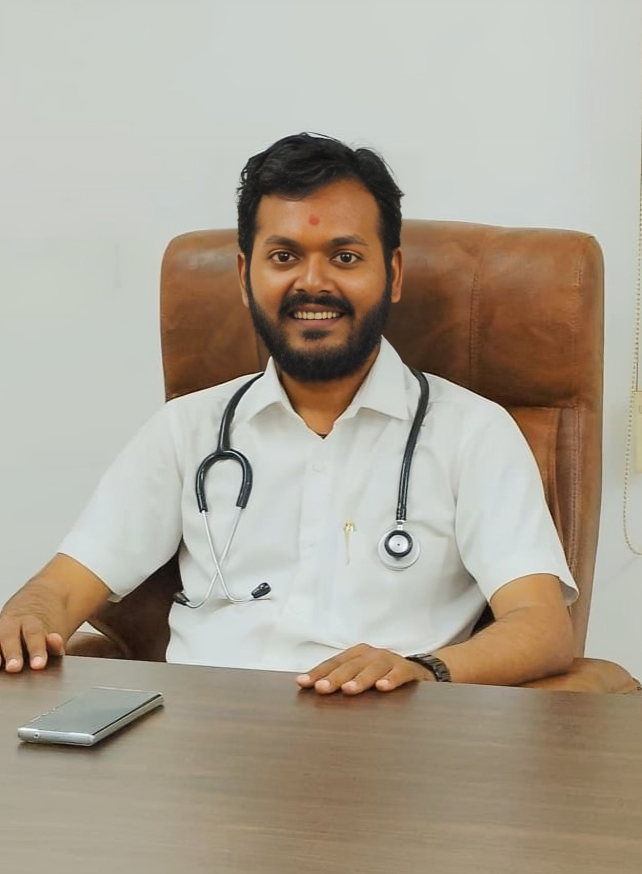
Dr. Kalpesh Suryavanshi offers marriage counselling in Surat for couples, individuals working on a relationship alone, engaged couples preparing for marriage, and families in conflict. Sessions are conducted in Gujarati, Hindi, English or Marathi.
What We Help With
Marital conflict
- Constant arguments over the same issues
- Emotional distance and loss of intimacy
- Communication that turns into blame
- Long silences and stonewalling
Family & in-law issues
- Joint family tensions and boundaries
- Disagreements over parenting
- Financial conflict and control
- Interference and loyalty conflicts
Trust & crisis
- Infidelity and rebuilding trust
- Suspicion and constant phone checking
- Deciding whether to separate
- Managing separation with children involved
Pre-marital & new couples
- Expectations about work, money, children
- Living arrangements and family roles
- Handling conflict before it becomes a habit
- Sexual health and intimacy concerns
The Patterns That Damage Relationships
Decades of research on couples point to a small number of highly predictive behaviours. Recognising them is the first step in counselling:
Criticism
Attacking the person rather than raising the behaviour – “you never think about anyone but yourself” instead of “I felt ignored on Sunday”.
Contempt
Sarcasm, mockery, eye-rolling, name-calling. This is the single strongest predictor of relationship breakdown.
Defensiveness
Meeting every complaint with a counter-complaint, so nothing is ever acknowledged.
Stonewalling
Shutting down and withdrawing, which the other person experiences as abandonment.
The pursue and withdraw cycle
One partner presses for connection, the other retreats, which increases the pressing. Almost every distressed couple recognises this one.
None of these mean a marriage cannot be repaired.
They are habits, and habits can be replaced with skills – which is most of what happens in the sessions.
How Counselling Is Conducted
- Joint first session. Both partners describe the situation as they see it. Ground rules are set: no interruptions, no character attacks, no raking over old grievances as ammunition.
- Individual sessions. Each partner is seen alone once, which allows things to be said that are difficult to say in front of the other. What is shared individually stays confidential, within limits that are explained to you both.
- Formulation. The recurring cycle is mapped out and shown to both of you – usually the first point at which each person sees their own contribution rather than just the other's.
- Skills work. Structured communication techniques, learning to raise a complaint without contempt, repairing an argument mid-way, and the practice of accepting influence from a partner.
- Practice between sessions. Specific, small assignments – a weekly conversation, a rule about phones at dinner, a scheduled discussion about money.
- Review. Progress is reviewed openly every few sessions, including whether counselling is helping and whether it should continue.
When a Mental Health Condition Is Part of the Picture
This is where seeing a psychiatrist rather than a counsellor alone can matter. Relationship distress is frequently intertwined with a treatable condition, and counselling alone will make slow progress if it is missed:
- Depression in one partner, which presents as irritability, withdrawal and loss of interest – easily misread as not caring.
- Alcohol or substance use, which is very often the actual driver of conflict rather than a consequence of it.
- Untreated anxiety or OCD, where reassurance-seeking and checking exhaust the partner.
- Undiagnosed ADHD in an adult – forgetting commitments, disorganisation and impulsive decisions are routinely interpreted as carelessness or disrespect.
- Bipolar disorder, where impulsive spending or behaviour during a high phase causes damage that outlasts the episode.
- Sexual difficulties such as erectile dysfunction or premature ejaculation, which are common, treatable, and rarely discussed.
Where one of these is identified, it is treated alongside the couple work, and progress usually accelerates markedly.
An Important Note on Abuse
Couple counselling is not appropriate where there is ongoing violence.
Where there is physical violence, threats or coercive control, joint sessions can increase the risk to the person being harmed.
If this describes your situation, please seek help individually – you can consult alone here, and safety, legal options and support services will be discussed confidentially. The national women's helpline is 181, and Tele-MANAS on 14416 offers 24x7 mental health support.
Frequently Asked Questions
My partner refuses to come. Is there any point in coming alone?
Yes. Individual work changes how you respond within the relationship, and because a couple's pattern is a cycle, one person changing their part of it often shifts the whole dynamic. Many partners who initially refuse agree to attend after seeing that counselling is not an ambush or a tribunal.
Will the counsellor take sides or tell us who is wrong?
No. The role is not to judge but to identify the pattern both people are caught in. Each partner is heard fully and separately. If one person's behaviour – such as ongoing substance use or violence – is causing clear harm, that is named honestly, but the work is never about assigning blame.
How many sessions will we need?
Most couples attend six to twelve sessions, usually fortnightly. Pre-marital counselling is typically shorter – three to five sessions. Where a psychiatric condition or addiction is involved, treatment for that runs in parallel and takes its own course.
Is what I say in an individual session told to my partner?
No. What you share in an individual session is confidential and is not disclosed to your partner. The one limit, explained to both of you at the start, is that counselling cannot proceed usefully while an active affair is being concealed, and situations involving risk of harm are handled in the standard clinical way.
Is counselling worth it if we are considering divorce?
Yes, in either direction. Some couples rebuild the relationship. Others reach a clear, considered decision to separate – which is far better than a decision made in anger, particularly where children are involved. Counselling can also help a separating couple co-parent without continuing hostility.
Do you offer pre-marital counselling?
Yes. Pre-marital sessions cover expectations about careers, finances, living arrangements, in-laws, children, and how each person handles conflict. Three to five sessions before marriage can prevent problems that otherwise take years to surface. Sexual health questions can be discussed openly and are treated as routine.
Can relationship counselling be done online?
Yes, including sessions where the partners join from different locations – which is helpful for couples separated by work or living abroad. See the online psychiatrist consultation page for how it works.
Book Marriage or Relationship Counselling in Surat
If the same argument has been running for months, if you are living like housemates, or if you are considering separation but not sure, a neutral space helps more than another round of the same conversation at home.
You can come as a couple, or on your own – both work.
Ekkyam Clinic – Majura GateC-9, Swaminarayan Complex, Majura Gate, Surat 395002Karma Sex & Psychiatric Clinic – Adajan401, Suhas Building, above Mahalaxmi Juice Center, Adajan, Surat
Dr. Kalpesh Suryavanshi consults at both clinics. Book an appointment on WhatsApp, or call 84602 48445.
Book Appointment 84602 48445